Process

1 - ENGINEERING

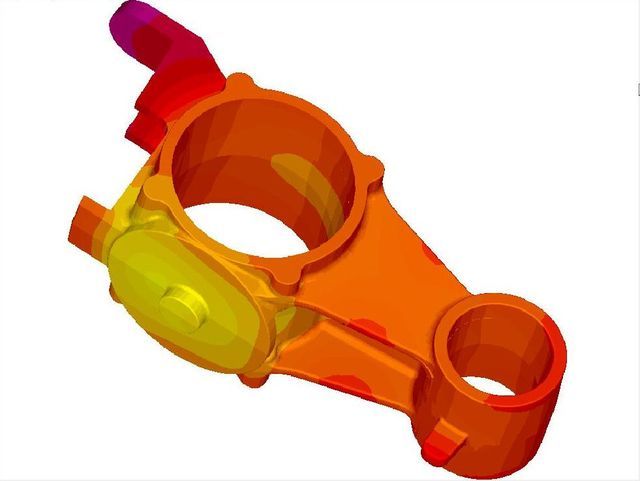
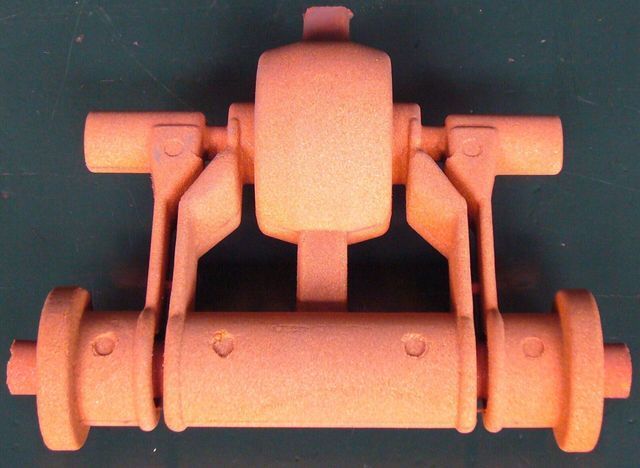
From the very beginning, we collaborate with our clients to analyze and develop designs aimed at correctly producing the casting while minimizing production costs. We use the SOLID CAST program to simulate the cooling process of the casting cluster. Before batch production, sampling is always performed to record all parameters necessary for process control and highlight any critical issues.

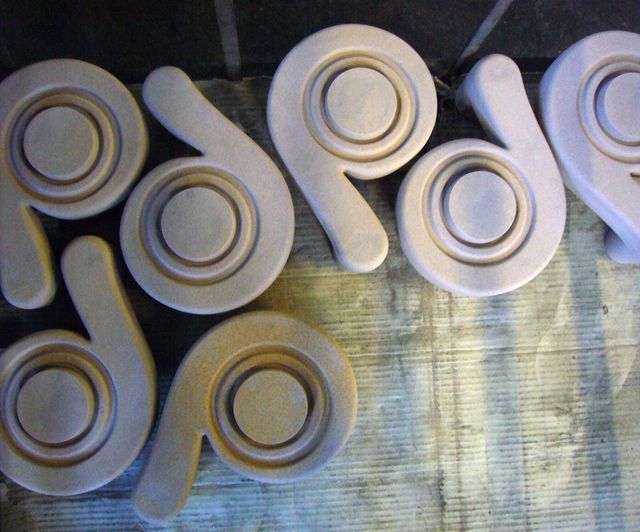
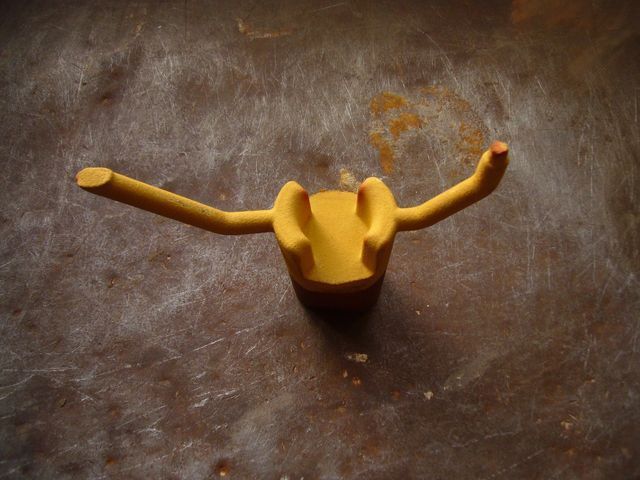
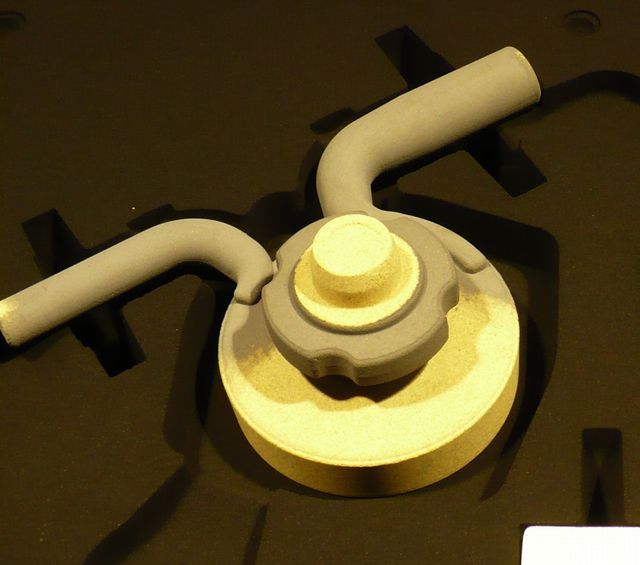
100% of the cold-box core requirement is produced internally by five core-shooting machines with different capacities: 5, 10, 20, and 25 liters. Once produced, the foundry cores are cleaned of burrs, then painted and placed on trolleys identified by the customer's name, code, and production quantity, before being transported to the forming station.

2 - Core making

100% of the cold-box core requirement is produced internally by five core-shooting machines with different capacities: 5, 10, 20, and 25 liters. Once produced, the foundry cores are cleaned of burrs, then painted and placed on trolleys identified by the customer's name, code, and production quantity, before being transported to the forming station.

In this department, Three fundamental processes:


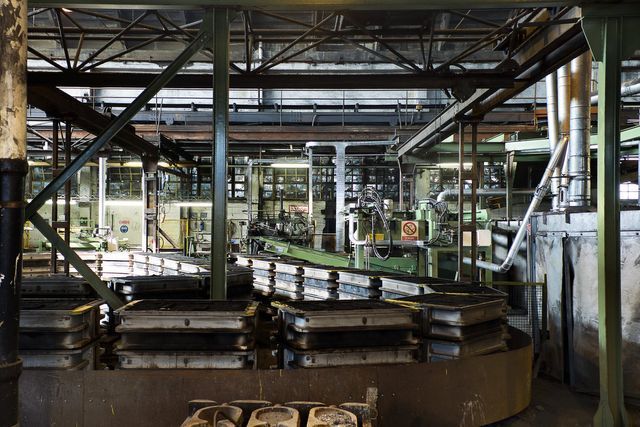
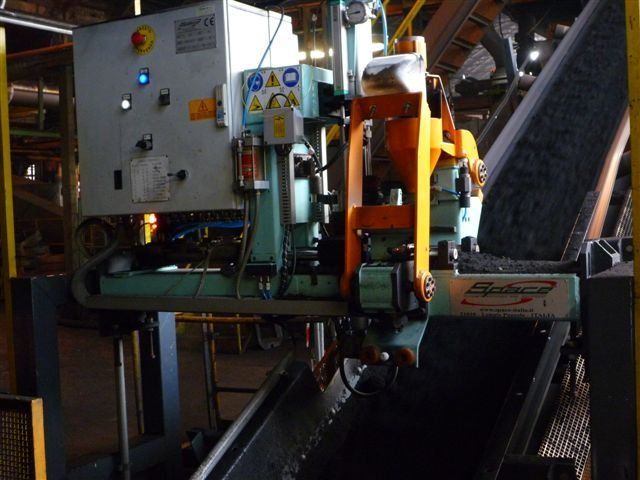
There shaping Green soil is harvested using a mechanized process using one press and one stirrup system. The physical and mechanical characteristics of the green soil are constantly monitored by an automatic data collection system.

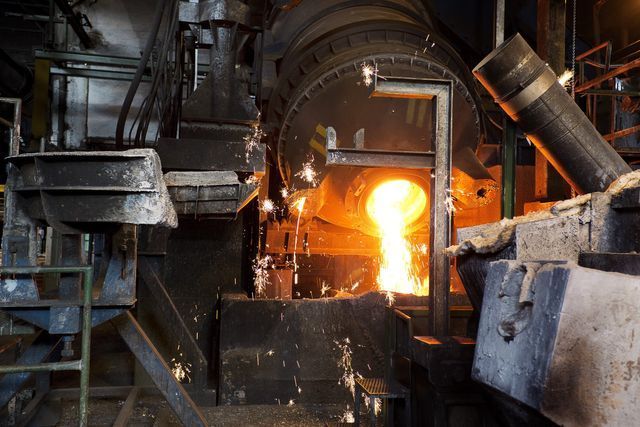
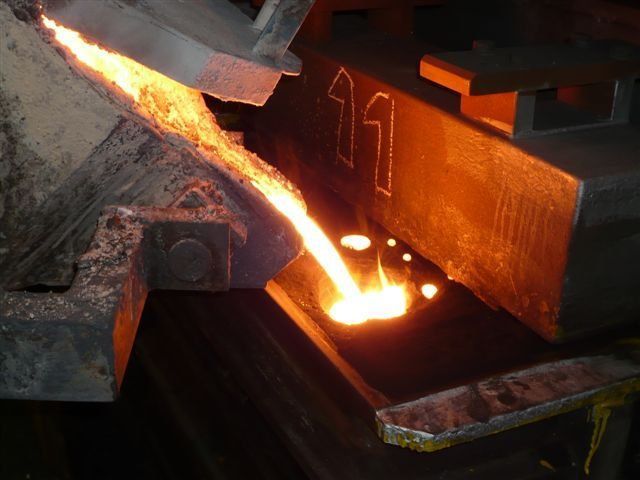
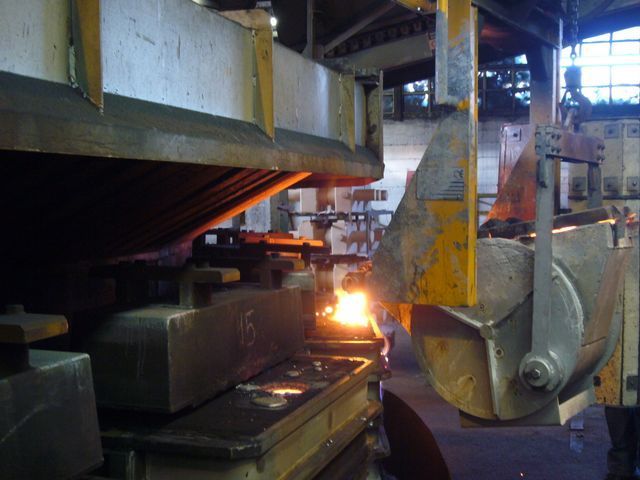
There fusion Cast iron is melted in an 8-ton oxy-fuel rotary furnace; the molten iron is tapped from the furnace and fed into a 12-ton electric furnace, which acts as a buffer between the melting plant and the molding equipment. During the pouring process, analytical controls, thermal analysis, and spectrometric analysis are performed. The molten metal is poured into molds manually using small ladles suspended from monorails. To produce lamellar graphite iron castings, the metal is poured from the electric furnace into the pouring ladles, inoculated, and then poured into the molds. To produce spheroidal graphite iron castings, the metal is poured into a treatment ladle.
The casting finishing process includes:


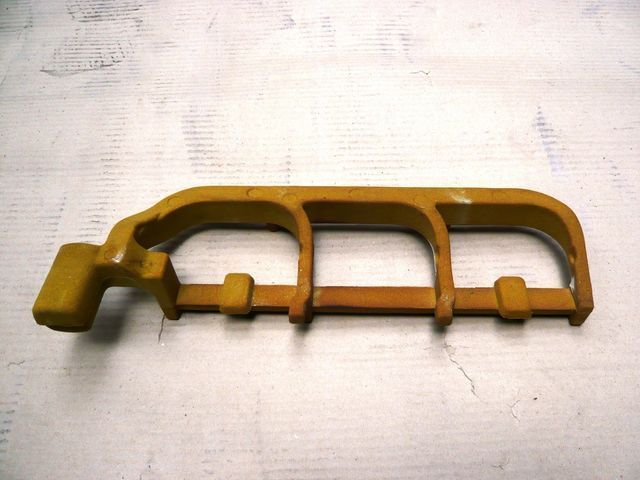
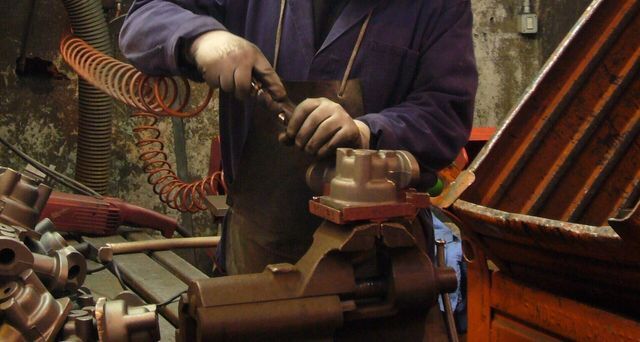
There deflashing detachment of the castings and feeders from the piece, this phase takes place manually or with the help of a wedge.

There shot blasting : mechanical process of cleaning the pieces from the earth, through steel microspheres launched at high speed inside machines

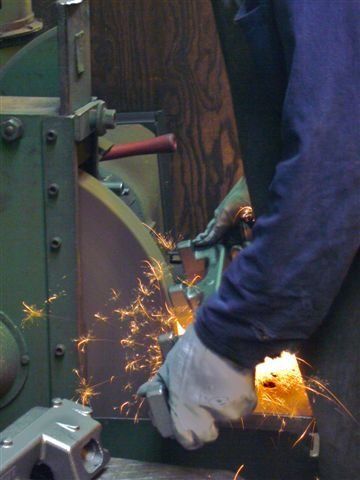
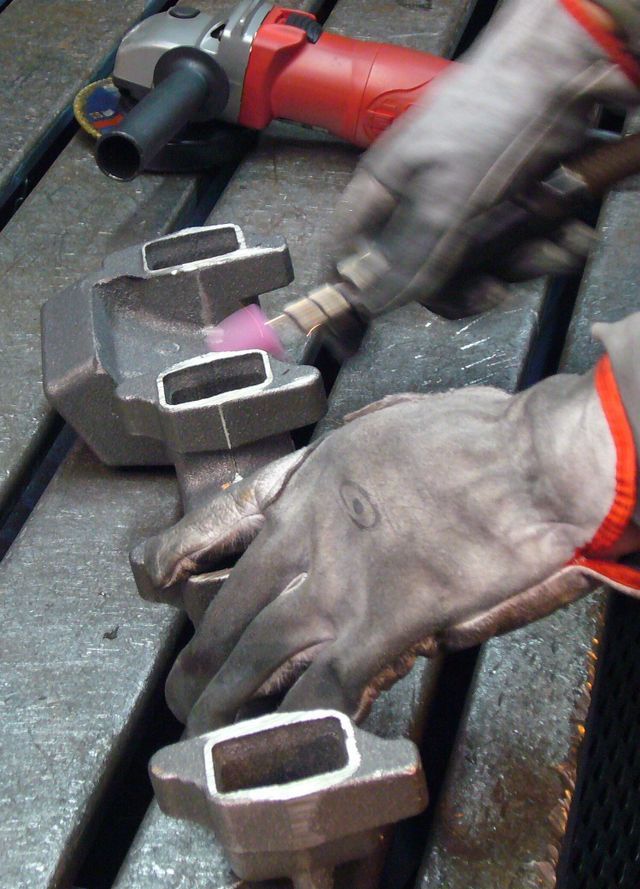
There smear mechanical removal of burrs from castings performed using fixed or manual grinding wheels

in each of these phases the operators separate the defective pieces which are then analysed by the control staff to record the quantity of waste and its type


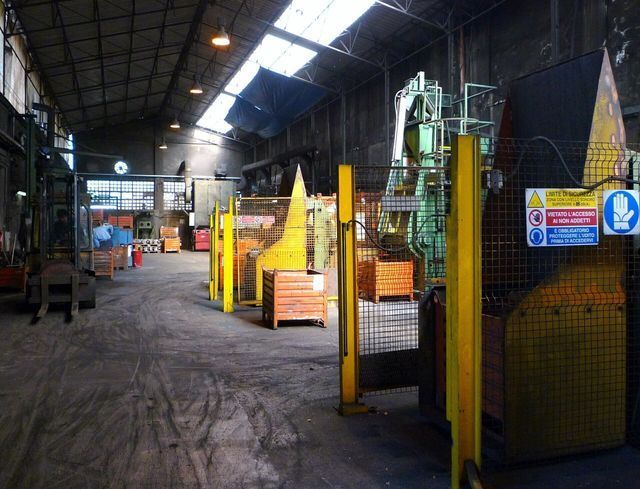
The systems currently equipped are 1 Cogeim shot blasting machine, 2 Pangborn shot blasting machines, 2 Simpson double grinders and portable electric tools.

In this department, the selection of non-compliant parts begins during the degassing phase and is then isolated and classified by type of waste by the inspection officer.

4- finish

The casting finishing process includes:


There deflashing detachment of the castings and feeders from the piece, this phase takes place manually or with the help of a wedge.

There shot blasting: mechanical process of cleaning the pieces from the earth, through steel microspheres launched at high speed inside machines

There smear mechanical removal of burrs from castings performed using fixed or manual grinding wheels

in each of these phases the operators separate the defective pieces which are then analysed by the control staff to record the quantity of waste and its type


The systems currently equipped are 1 Cogeim shot blasting machine, 2 Pangborn shot blasting machines, 2 Simpson double grinders and portable electric tools.

In this department, the selection of non-compliant parts begins during the degassing phase and is then isolated and classified by the inspection worker according to the type of waste.

5 - CONTROLS

Control over molten metal

For each casting of lamellar graphite iron, analysis is performed on the metal tapped from the rotary furnace and the electric furnace.

For each casting of spheroidal graphite iron, the analysis is performed on the metal tapped from the rotary furnace, the electric furnace and removed from the casting ladle, after the spheroidization treatment.

All data is recorded and archived. Each casting is identified with an alphanumeric code and therefore immediately traceable.

Hardness control

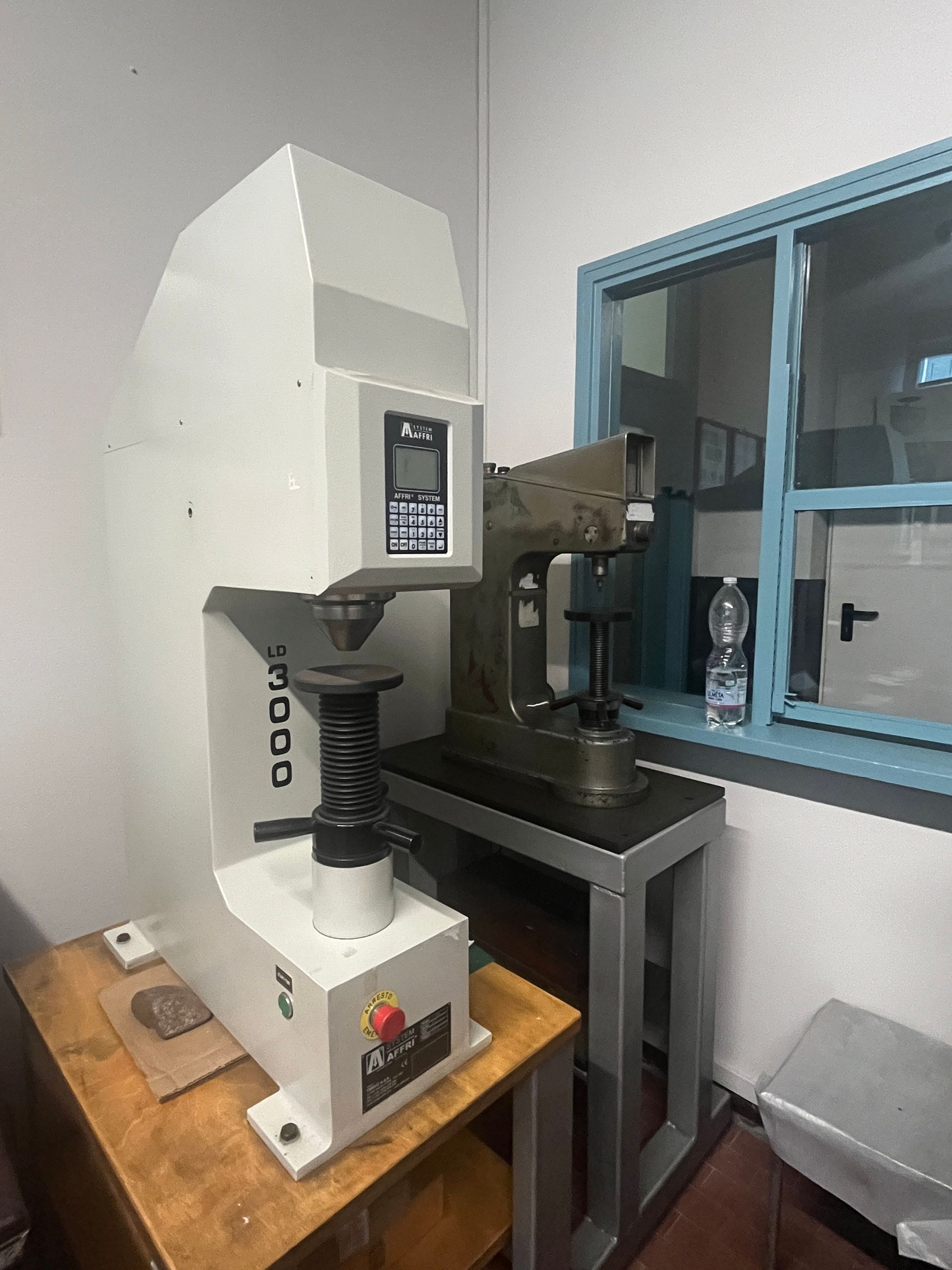
The Brinell hardness of the casting material is checked and recorded for each casting; this test is also performed, when necessary, on the finished pieces.

Control - ultrasound

The ultrasound technique is used both for the search for hidden defects and, through speed measurement, for the control of spheroidization.

Ultrasonic testing is performed in the following cases: sample castings prior to internal approval, customer requests, safety precautions, and whenever a specific inspection is deemed useful or requested.

Metallographic structure control

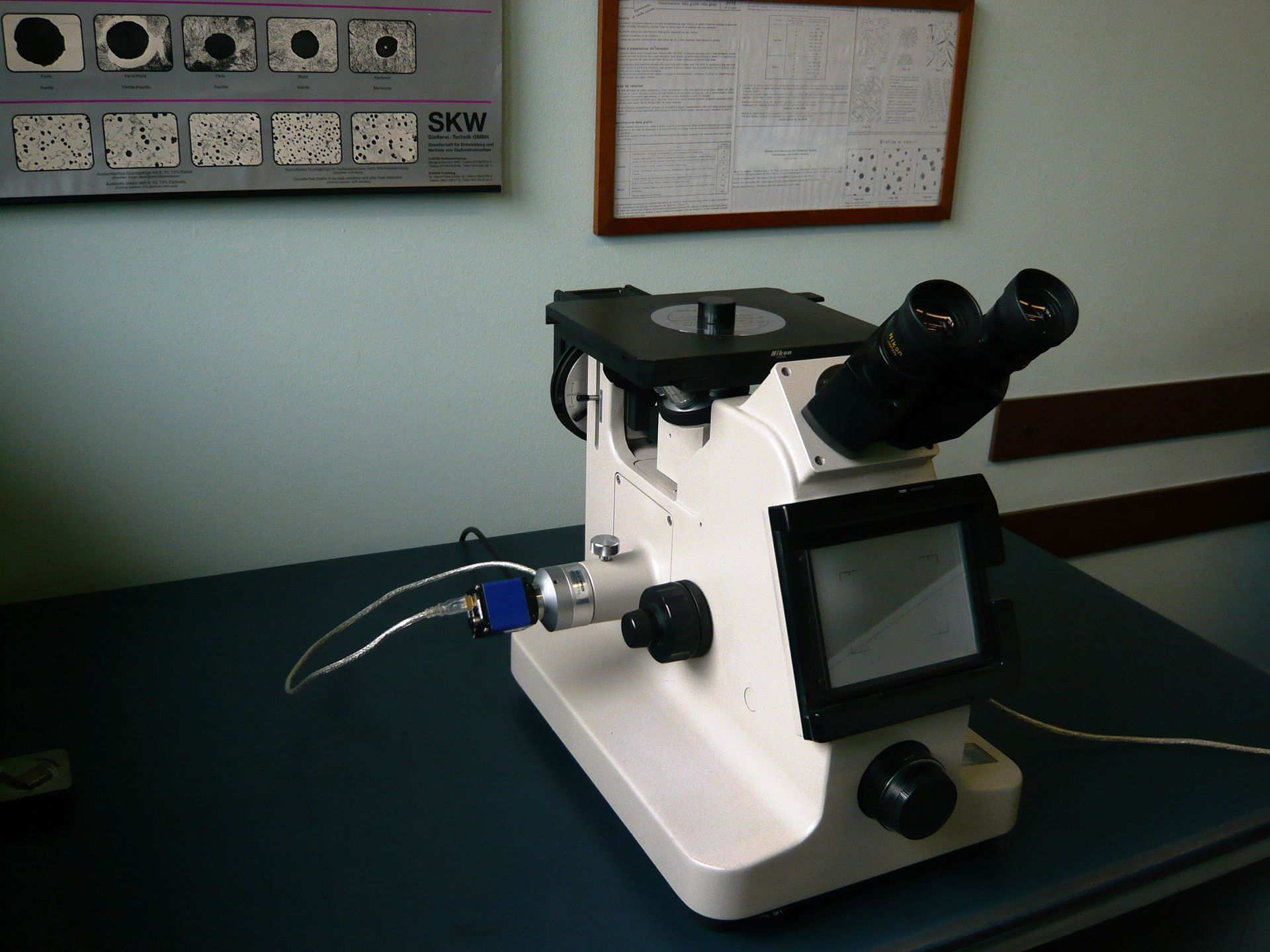
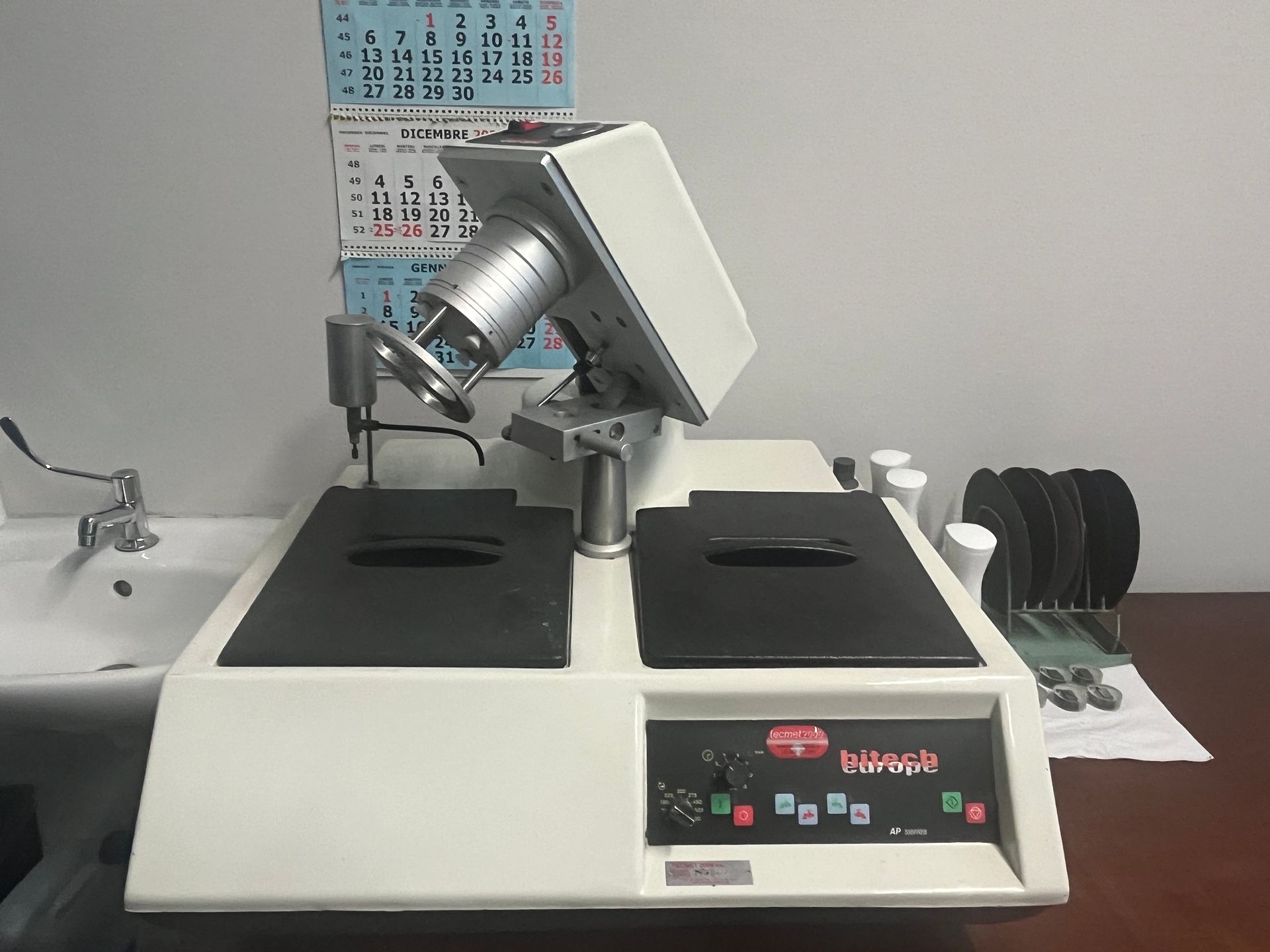
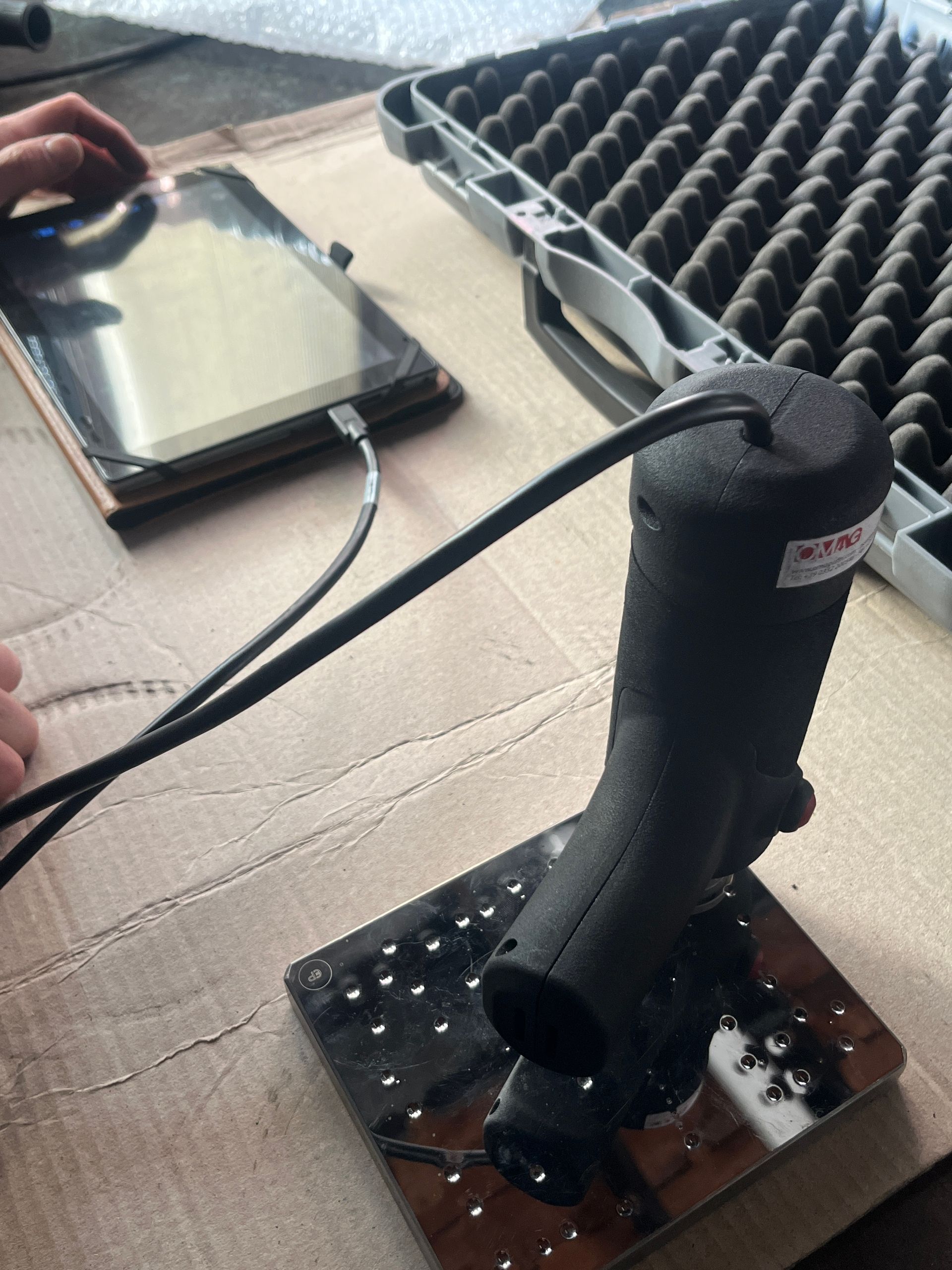
Microscopic observation of material samples allows us to check the structure of the produced material, verifying its correspondence to the needs expressed by the customer.

The tool has the ability to send digital images to a PC, allowing the photos to be archived and subsequently forwarded to the customer who requested them.

Penetrant testing and destructive testing

Destructive tests by sectioning the piece are normally performed during the sampling phase.

Visual inspection, counting, weighing and waste classification

Before being weighed and packaged for shipping, the products are 100% visually inspected.

All non-compliant products are isolated in designated areas and then classified according to the type of defect found. Recording rejects allows for the implementation of both corrective and preventative company improvement plans.

Control over molten metal

For each casting of lamellar graphite iron, analysis is performed on the metal tapped from the rotary furnace and the electric furnace.

For each casting of spheroidal graphite iron, the analysis is performed on the metal tapped from the rotary furnace, the electric furnace and removed from the casting ladle, after the spheroidization treatment.

All data is recorded and archived. Each casting is identified with an alphanumeric code and therefore immediately traceable.

Hardness control

The Brinell hardness of the casting material is checked and recorded for each casting; this test is also performed, when necessary, on the finished pieces.

Control - ultrasound

The ultrasound technique is used both for the search for hidden defects and, through speed measurement, for the control of spheroidization.

Ultrasonic testing is performed in the following cases: sample castings prior to internal approval, customer requests, safety precautions, and whenever a specific inspection is deemed useful or requested.

Metallographic structure control

Microscopic observation of material samples allows us to check the structure of the produced material, verifying its correspondence to the needs expressed by the customer.

The tool has the ability to send digital images to a PC, allowing the photos to be archived and subsequently forwarded to the customer who requested them.

Penetrant testing and destructive testing

Destructive tests by sectioning the piece are normally performed during the sampling phase.

Visual inspection, counting, weighing and waste classification

Before being weighed and packaged for shipping, the products are 100% visually inspected.

All non-compliant products are isolated in designated areas and then classified according to the type of defect found. Recording rejects allows for the implementation of both corrective and preventative company improvement plans.

Our Commitment to Sustainability and Climate Change.

Fonderia della Crocetta recognizes the need to address the issue of climate change and feels a responsibility to actively contribute to its mitigation. As a company operating in an energy-intensive sector, we are aware of our impact and are committed to implementing concrete strategies to reduce our environmental footprint.

We firmly believe that environmental sustainability is not only an ethical imperative, but also a key factor in the long-term success of our company.

Therefore:

  • we constantly monitor our emissions into the atmosphere
  • we protect the well-being of our employees
  • We carefully select waste disposal suppliers

6- environment

The casting finishing process includes:


There deflashing detachment of the castings and feeders from the piece, this phase takes place manually or with the help of a wedge.

There shot blasting: mechanical process of cleaning the pieces from the earth, through steel microspheres launched at high speed inside machines

There smear mechanical removal of burrs from castings performed using fixed or manual grinding wheels

in each of these phases the operators separate the defective pieces which are then analysed by the control staff to record the quantity of waste and its type


The systems currently equipped are 1 Cogeim shot blasting machine, 2 Pangborn shot blasting machines, 2 Simpson double grinders and portable electric tools.

In this department, the selection of non-compliant parts begins during the degassing phase and is then isolated and classified by the inspection worker according to the type of waste.

Call for information

Contacts